
Ankilahila Dry Deciduous Forest
EdenTrees Remaining
Est. CO2 (30yr)
CO2e/Tree (QCM)
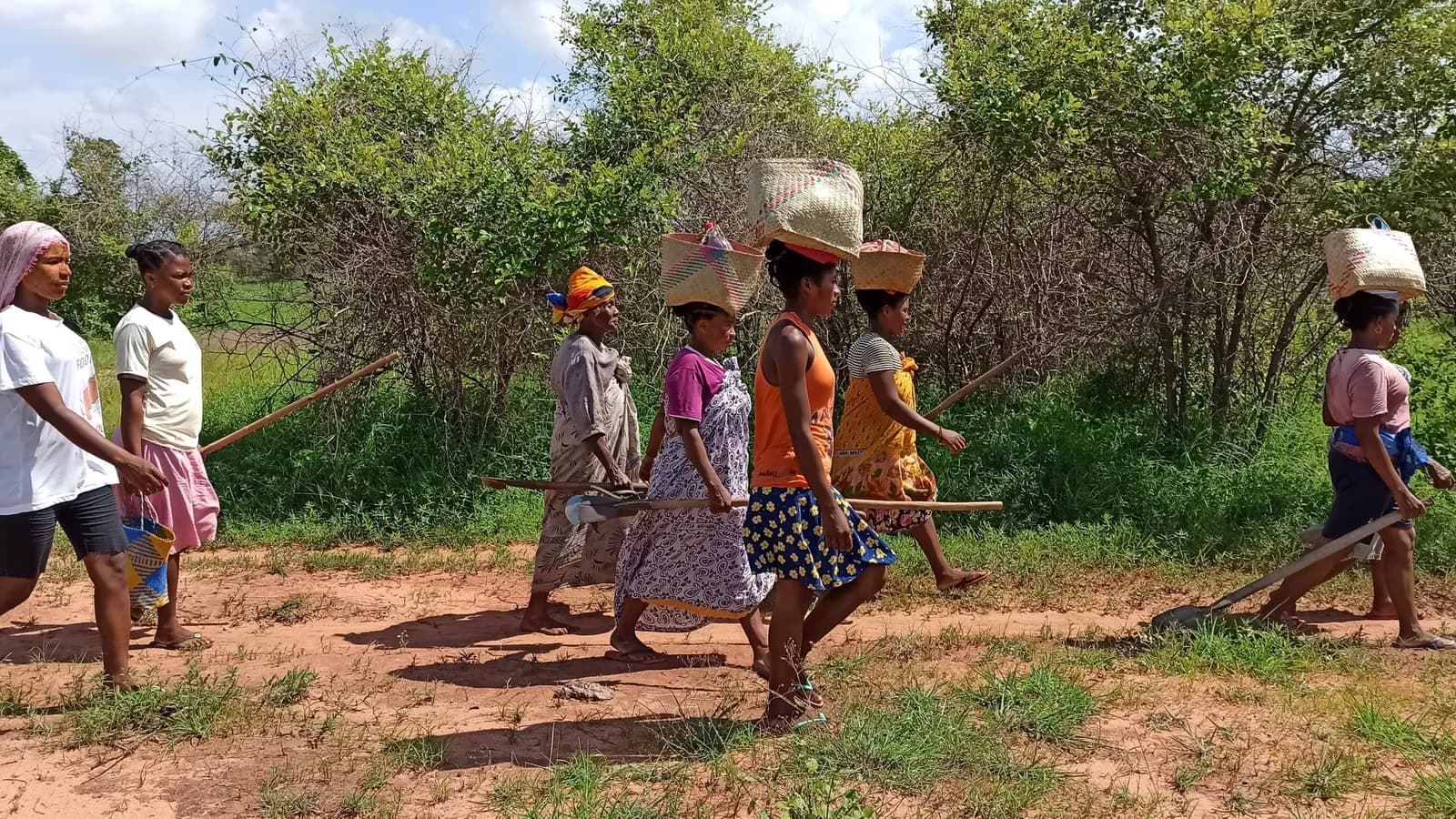
The Ankilahila planting site is a 414-hectare dry deciduous forest near Mahajanga, Madagascar. This region is critical for species found nowhere else - including the endangered Coquerel's sifaka lemur, the vulnerable fossa (Madagascar's largest predator), and the endangered Madagascar Ibis. The nearby Ankilahila community (~450 people from the Sakalava and Tsimihety tribes) is employed by Eden Reforestation Projects to plant and care for trees. With steady income, families can save money, start micro-enterprises, and send children to school. Native species planted include Mantaly, Mangarahara, and Harongana - selected for their ecological value and ability to restore this unique dry deciduous ecosystem. This project contributes to Madagascar's AFR100 commitment to restore 4 million hectares by 2030. Carbon modeling projects an estimated 64,475 tonnes of CO2e sequestration over 30 years. Eden employed 34 full-time and 35 part-time staff at this site, working 21 days per month. A total of 235,022 trees have been planted.

A small to medium-sized tree (10-20m) native to Madagascar, also known as Madagascar almond. Valued for rapid growth and shade production. Harvested for medicinal purposes, dyes, and tannins.
Endemic to Madagascar, reaching 10-30m height. Prized for exceptional wood quality and medicinal properties. High germination success rate and resilient to fire, making it excellent for reforestation.
A small bushy tree (4-25m) with golden-green crown. Identified by its fluorescent orange latex when bark is peeled. Used for medicinal and dye applications.
Coordinates: -15.5675, 46.5532
*Model-based estimate; actual sequestration varies by site and conditions